You Won’t Believe These Hidden Viewpoints in Belgrade
Belgrade isn’t just a city of history and nightlife—it’s a skyline hunter’s dream. From fortress ramparts to quiet hilltops, I discovered perspectives that turned ordinary moments into unforgettable views. You don’t need a tourist map to find magic—just the right spots. Let me take you through the vantage points most visitors miss, where the Sava and Danube rivers meet under golden light, and the city reveals its soul, one breathtaking panorama at a time.
The Heart of the City: Kalemegdan Fortress at Golden Hour
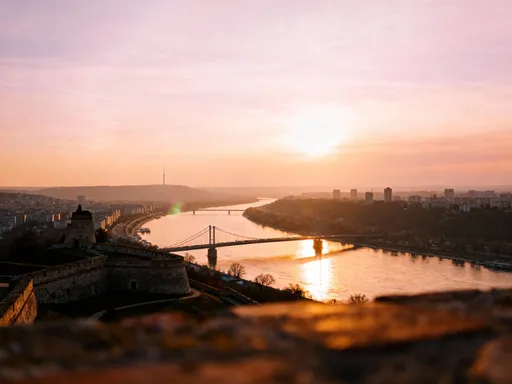
Situated at the confluence of the Sava and Danube rivers, Kalemegdan Fortress stands as the historic and geographic heart of Belgrade. Originally built on Roman and Byzantine foundations, the fortress complex has been expanded and reshaped by Serbian, Ottoman, and Austro-Hungarian forces over centuries. Today, it serves not only as a national monument but also as the city’s most accessible and iconic viewpoint. Enclosed within ancient stone walls and tree-lined promenades, Kalemegdan Park offers an open-air museum atmosphere where history and nature coexist in harmony.
Yet, the true magic of Kalemegdan unfolds during golden hour—the period shortly after sunrise or before sunset when sunlight bathes the city in a warm, amber glow. At this time, the fortress ramparts transform into a living observatory. The low-angled light accentuates the architectural textures of New Belgrade’s modern skyline across the Sava, casting long shadows and highlighting the contrast between old and new. The reflection of the city in the calm waters below creates a mirror effect, doubling the visual impact of the scene.
While Kalemegdan is popular among tourists, strategic timing and route selection can help visitors avoid crowds and enjoy a more personal experience. Arriving about 90 minutes before sunset allows time to explore the Upper and Lower Fortress sections without feeling rushed. The path along the Danube-facing eastern walls—particularly near the Nebojša Tower—offers one of the clearest, unobstructed views of the river meeting point. For a quieter alternative, the southwestern ramparts near the Military Museum provide a more intimate setting, with fewer people and an open vista toward the Ada Ciganlija peninsula.
Photographers and casual observers alike will appreciate the natural framing provided by the fortress’s arched battlements and centuries-old cannons. These elements add depth and historical context to skyline shots. Additionally, the open green spaces within the park, such as the Pobednik (Victor) Monument area, offer elevated ground perfect for panoramic compositions. Whether you're sitting on a stone bench with a journal or adjusting camera settings, Kalemegdan at golden hour delivers a serene yet powerful connection to Belgrade’s layered identity.
A Local’s Secret: Topčider Hill and the Quiet Lookout
Just a short distance from the city center, nestled within a peaceful residential neighborhood, lies Topčider—a wooded retreat that many Belgraders cherish as a sanctuary of calm. Once a royal hunting ground in the 19th century, Topčider Park has evolved into a beloved green space where families stroll, students study under the trees, and couples enjoy quiet afternoons. But beyond its tranquil pathways and century-old oaks, a lesser-known feature elevates Topčider into the realm of hidden viewpoints: its gently rising terrain offers a series of natural clearings with unobstructed westward views.
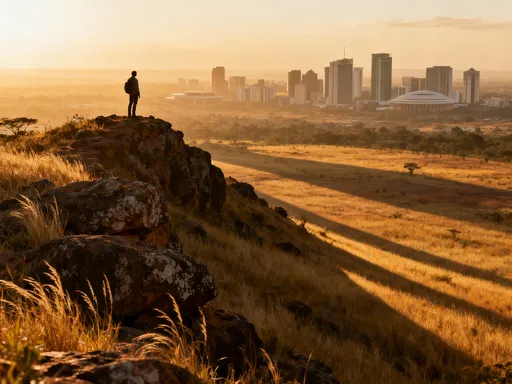
The most rewarding vantage point is found along the upper trails that wind toward the Topčider Hill summit. Here, where the forest thins and the ground levels out, visitors are greeted with a sweeping panorama of Belgrade’s western districts. On clear days, the spires of the Church of Saint Sava and the glass towers of the central business district emerge in the distance, framed by the soft curves of the Sava River. The contrast between the lush greenery at your feet and the urban skyline beyond creates a balanced, almost poetic composition.
What makes Topčider especially appealing is its accessibility without the tourist bustle. Unlike more famous spots, this hilltop lookout rarely draws large crowds, making it ideal for those seeking solitude or a reflective moment. The area is well-suited for combining nature and sightseeing—many locals bring picnic baskets, blankets, and books, turning an afternoon into a full sensory escape. A simple spread of fresh fruit, bread, and local cheese pairs perfectly with the slow unfolding of light across the cityscape.
Reaching the viewpoint requires only a moderate 20-minute walk from the main park entrance, following signs toward the historical Konak Kneginje Ljubice, a preserved royal residence that adds cultural depth to the visit. Comfortable walking shoes are recommended, as some paths are unpaved and can be uneven, especially after rain. Because the hill faces west, late afternoon visits are ideal for catching the sunset, when the city lights begin to twinkle like scattered stars. For families or older visitors, benches are placed at intervals, allowing for rest and uninterrupted viewing.
Topčider’s charm lies in its authenticity. It is not designed for mass tourism but for everyday enjoyment. Yet, this very quality makes it one of Belgrade’s most genuine hidden gems—a place where the city’s rhythm slows just enough to let you breathe, observe, and appreciate the beauty that exists just beyond the noise.
Urban Elevation: The Ušće Tower Observation Deck
Rising above the confluence of the Sava and Danube rivers, the Ušće Tower represents Belgrade’s modern architectural ambition. Located in the New Belgrade district, this sleek skyscraper is part of a larger commercial complex that includes shopping centers, offices, and public plazas. While primarily a business hub, the tower houses an accessible observation deck on its upper floors, offering one of the few elevated urban vantage points in the city. Unlike older fortresses or natural hills, this viewpoint provides a contemporary lens through which to see Belgrade’s evolving skyline.
Public access to the observation deck is available during designated hours, typically in the late afternoon and early evening, allowing visitors to witness the transition from daylight to city illumination. From this height—approximately 100 meters above ground—the layout of Belgrade becomes strikingly clear. To the south, the green expanse of Ada Ciganlija stretches along the Sava, a popular recreational zone known for its beaches and cycling paths. To the east, the historic core of Old Belgrade emerges, with the silhouette of the Church of Saint Sava dominating the horizon. The Danube River curves gracefully toward the north, while the modern apartment blocks of Novi Beograd form a geometric grid below.
What sets the Ušće Tower apart is its ability to frame both natural and man-made elements in a single glance. The rivers, with their reflective surfaces, cut through the urban fabric like ribbons, softening the rigid lines of concrete and glass. This juxtaposition reminds viewers that Belgrade is not just a city of buildings, but one defined by its relationship with water and topography. The observation deck’s large, floor-to-ceiling windows ensure unobstructed sightlines, and the absence of enclosing railings (behind safety glass) enhances the feeling of openness.
For visitors interested in urban development, the view offers insight into Belgrade’s expansion patterns. The contrast between the older, densely packed neighborhoods and the more spacious, planned layout of New Belgrade tells a story of growth and adaptation. Additionally, the deck provides an excellent opportunity to observe traffic flow, public transportation routes, and the connectivity between different parts of the city. It’s a vantage point that appeals not only to tourists but also to urban planners, photographers, and anyone curious about how cities function on a larger scale.
While the atmosphere is more formal than that of a park or hilltop, the Ušće Tower observation deck remains welcoming. Staff are available to answer questions, and informational displays provide context about the landmarks visible from above. Because the space can attract small groups during peak times, visiting on weekdays or just before closing time often ensures a more peaceful experience. Whether you’re marveling at the distant mountains on a clear day or watching the city lights bloom like fireflies, the Ušće Tower offers a modern perspective on an ancient city.
Riverside Vistas: Splavovi and the Floating Perspective
One of Belgrade’s most distinctive features is its riverfront nightlife, centered around the famous splavovi—houseboats and floating clubs moored along the Sava River. While many visitors experience these venues for their music and energy, fewer consider the unique visual perspective they offer. Being on the water, even temporarily, changes how the city is perceived. From the deck of a stationary splav, the skyline appears taller, the lights more vibrant, and the movement of people along the promenade more dynamic.
The Sava River promenade, particularly the stretch between Branko’s Bridge and the Old Sava Bridge, is lined with a variety of floating establishments. Some are lively kafanas with outdoor seating, others are quieter lounges with panoramic windows. Choosing a venue with a front-row deck seat allows for uninterrupted views of both banks. On one side, the historic neighborhoods of Dorćol and Savamala rise with a mix of restored facades and industrial remnants. On the other, the modern silhouette of New Belgrade glows in the distance. The reflection of these contrasting skylines in the river’s surface adds depth and symmetry to the scene.
What makes this vantage point special is its immediacy. Unlike elevated or distant viewpoints, the river level places you within the city’s pulse. You hear the gentle lap of water against the hull, feel the cool evening breeze, and witness the comings and goings of locals and tourists alike. The experience is immersive—less about observation and more about participation. Even if you’re not dining or drinking, many splavovi allow guests to purchase a single beverage and enjoy the view from their outdoor areas.
For safety and comfort, it’s advisable to visit during the early evening, especially in summer months when temperatures are pleasant and lighting is optimal. The promenade is well-lit and frequently patrolled, making it safe for solo visitors and families. Benches and walkways along the riverbank also offer excellent vantage points for those who prefer to stay on solid ground. The combination of water-level sightlines and ambient city energy creates a uniquely Belgrade experience—one that blends relaxation with urban vibrancy.
Photographers will find the interplay of artificial light and water particularly rewarding. Long-exposure shots capture the trails of passing boats and the shimmer of building reflections. For non-photographers, simply sitting with a drink and watching the city breathe is a form of quiet celebration. The splavovi, often associated with nightlife, reveal a more contemplative side when approached as viewing platforms—a reminder that Belgrade’s beauty exists not only in its landmarks but in its atmosphere.
The Overlook Most Miss: Avala Tower and the View Beyond the City
Approximately 16 kilometers southeast of central Belgrade, rising above a forested hill, stands the Avala Tower—an elegant concrete structure that has become a symbol of both engineering and scenic grandeur. Originally constructed in the 1960s and rebuilt after wartime damage, the tower reaches a height of 204 meters and features a rotating observation deck at 120 meters. While it is often overlooked by international tourists, it remains a favorite destination for locals seeking a broader perspective—one that extends far beyond the city limits.
From the observation deck, the view is nothing short of expansive. On a clear day, the panorama encompasses not only Belgrade’s sprawling urban footprint but also the surrounding hills, river systems, and distant mountain ranges. The city appears as a living map, with the Sava and Danube rivers forming a natural 'Y' shape as they converge. Residential neighborhoods, industrial zones, and green corridors are all visible, offering a rare opportunity to grasp the city’s full spatial composition. The surrounding Avala Mountain, covered in dense woodland, adds a layer of natural beauty that contrasts with the urban expanse.
What makes this vantage point unique is its sense of separation. Unlike city-center viewpoints, Avala Tower offers a moment of detachment—physically and mentally. The journey itself, whether by car, taxi, or organized tour, becomes part of the experience. As you ascend the winding road through the forest, the noise of the city fades, replaced by birdsong and the rustle of leaves. This transition prepares the mind for a different kind of observation: one that is reflective and holistic.
Weather plays a crucial role in the quality of the view. Clear, post-rain days with low humidity provide the best visibility, while fog or heavy cloud cover can obscure distant landmarks. For this reason, mornings often offer the clearest conditions, though sunset visits are popular for their dramatic lighting. The tower is open year-round, but winter visits require attention to road conditions, especially after snowfall. Public transportation options are limited, so most visitors opt for private transport or guided excursions.
Beyond the observation deck, the Avala site includes a small visitor center, a monument to the Unknown Hero, and walking trails through the surrounding park. These elements make it a full-day destination, suitable for families, couples, or solo travelers. The combination of history, nature, and panoramic vision creates a layered experience that few other viewpoints in the region can match. For those willing to venture beyond the city center, Avala Tower offers not just a view, but a revelation—one that redefines Belgrade as part of a larger, interconnected landscape.
Hidden Rooftops: Cafés with a View in Dorćol and Savamala
As Belgrade has evolved, so too have its urban neighborhoods. Areas like Dorćol and Savamala, once dominated by industrial buildings and overlooked by tourists, have undergone thoughtful revitalization. Today, they are hubs of creativity, home to art galleries, design studios, and, increasingly, rooftop cafés that offer intimate skyline access. These venues are not widely advertised, and many are known primarily to locals, making them perfect for travelers seeking authentic, off-the-beaten-path experiences.
The appeal of these rooftop spaces lies in their balance of comfort and character. Unlike commercial observation decks, they provide a relaxed atmosphere where coffee, conversation, and views coexist. Many are situated atop renovated warehouses or low-rise buildings, offering a mid-level perspective—high enough to see over surrounding rooftops, yet close enough to feel connected to the street life below. The architecture itself tells a story, with exposed brick, steel beams, and reclaimed wood adding warmth and texture to the setting.
While specific venues may change over time, the experience remains consistent: a quiet corner with a drink in hand, the city unfolding in every direction. From these terraces, visitors can see the spire of the Church of Saint Sava to the west, the riverfront to the south, and the historic rooftops of Stari Grad to the north. The play of light during late afternoon enhances the visual richness, casting golden tones across the cityscape. Some rooftops even offer views of Kalemegdan in the distance, creating a layered sense of connection between different vantage points.
These spaces are particularly appealing to travelers who value authenticity over spectacle. There are no entrance fees, no timed tickets, and no crowds—just the simple pleasure of being in a well-loved local spot. Service is often friendly and unhurried, allowing guests to linger. Because these cafés are integrated into residential or mixed-use areas, they reflect the daily rhythm of Belgrade life rather than catering solely to tourism.
For visitors, the challenge lies in discovery. While some spots are marked on local maps or mentioned in community guides, others are found through word of mouth or serendipitous exploration. Asking a friendly shop owner or bartender for recommendations can lead to rewarding finds. The effort to locate these hidden rooftops adds to their charm, transforming a simple coffee break into a small adventure. In a city full of grand vistas, these intimate terraces remind us that beauty often resides in the overlooked corners.
Chasing Light: How to Time Your Visit for the Best Visual Experience
To fully appreciate Belgrade’s skyline, timing is as important as location. The city’s east-west river layout creates unique lighting conditions that change dramatically with the seasons and time of day. Understanding these patterns allows visitors to plan their itinerary for maximum visual impact. Whether you’re a photographer seeking perfect exposure or a traveler hoping to savor a quiet moment, aligning your visit with the movement of light can transform an ordinary outing into a memorable experience.
In spring and summer, the sun rises in the northeast and sets in the northwest, meaning that morning light illuminates the Danube-facing sides of buildings, while evening light bathes the Sava Riverfront. This makes Kalemegdan particularly stunning at sunset, when the fortress walls glow in warm hues. Conversely, early risers will find the Ušće Tower and Avala viewpoints most effective in the morning, when the air is clearest and shadows are longest, adding depth to photographs.
Autumn and winter bring lower sun angles and shorter days, which can enhance the contrast between light and shadow. During these months, midday visits to elevated spots like the Ušće Tower or Avala Tower offer the best visibility, as fog and haze tend to dissipate by late morning. The golden hour is shorter but often more intense, with a rich, honeyed light that accentuates architectural details.
For those planning a full-day route, a suggested sequence begins with a morning visit to Avala Tower to capture the city under crisp daylight. This can be followed by a midday walk through Topčider, enjoying the dappled forest light. In the late afternoon, head to a rooftop café in Savamala for a drink as the city begins to light up. As sunset approaches, make your way to Kalemegdan for the golden hour panorama. Finally, conclude the evening on the Sava promenade, where the reflections of city lights on the water create a magical finale.
Weather apps and sunrise/sunset calculators are helpful tools for planning. Additionally, checking local air quality reports can improve visibility forecasts, especially for long-distance views. By treating light as a destination in itself, visitors gain a deeper appreciation for how Belgrade’s beauty is not static, but constantly shifting—a living canvas shaped by time, atmosphere, and perspective.
Belgrade’s beauty isn’t just in its stories or streets—it’s in how the city unfolds before your eyes when you rise above it. These viewpoints offer more than scenery; they provide connection, clarity, and wonder. Whether you're standing on ancient stone or modern glass, the skyline tells a living tale. Choose your vantage, feel the air, and let the horizon remind you why travel still holds magic.